
(This list of NY albums leaves out some big names – Run-DMC, DMX, Slick Rick, Big Pun, etc. I can only include my personal favorites and explain why. Also not included is Lefty, the one-handed rapper whom you can read all about in my novel.)
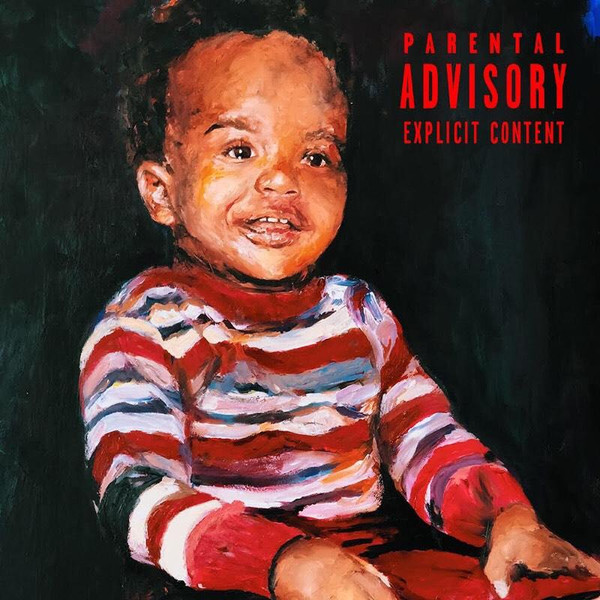
50. TANA TALK 3 – Benny The Butcher (2018)
If you put your baby picture on the cover, your album better be heat. Benny the Butcher’s precise flow is cognac smooth, with drug dealing vicissitudes delivered as smart conversation. Not for nothing does he call himself “’97 Hov.” Even then it’s an evolution, with no easy rhymes or throwaway bars. And even then there are limits. “Everything relate back to drug dealing” goes one chorus, a vision that may have to be expanded for his career to reach the next level.
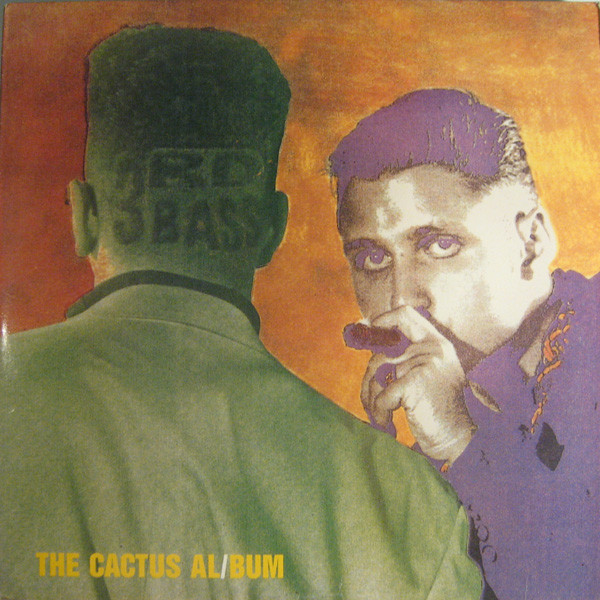
49. THE CACTUS ALBUM – 3rd Bass (1989)
They just reunited, the whiteboy New York duo, cringe as ever. The Cactus Album is not as witty as it thinks it is, but more listenable than you might suspect. They diss the Beastie Boys and MC Hammer, reveling in the quirky late ’80s hip hop culture that would soon be doomed to antiquity. Ironically MC Serch, of the high top fade and b-girl dance moves, would help usher in Nas, and thereby his own obsolescence.

48. LET THE RHYTHM HIT ‘EM – Eric B & Rakim (1990)
Despite Rakim’s commanding presence and some tougher than ever breakbeats, Let The Rhythm Hit ‘Em is curiously subtle. The mix doesn’t hit hard, more like distant shadows of cool songs. So Rakim’s concentrated flow can also seem muted, buzzing along with the repetitive beats. But if you’re curious to why he’s the godfather of any lyrical rapper – listen closely. Rakim is like an Iron Chef, with cleavers in the waistband, ready to chop up history and philosophy for his creative boasting.
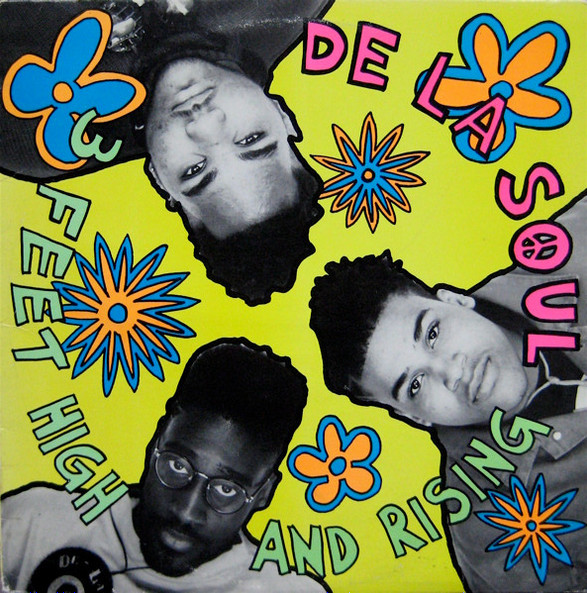
47. 3 FEET HIGH AND RISING – De La Soul (1989)
My opinion of this album has gone down, and was never that high to begin with. Producer Prince Paul is a genius for sure, merging Steely Dan and Otis Redding on “Eye Know,” while De La’s goofy lingo is purposeful on the anti-biting “Potholes In My Lawn.” But good luck on a full listen, with its skippable skits and tedious interludes. While the tinny mix makes the album sound more archaic than inventive. Not to say that critics and fans are wrong. But I’m glad they called their next album De La Soul Is Dead.
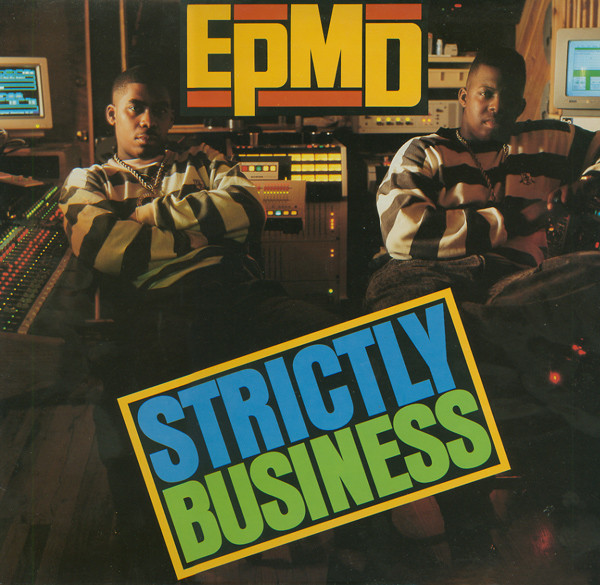
46. STRICTLY BUSINESS – EPMD (1988)
EPMD’s idea was not dissimilar from De La’s, except their sound is simple and spare, letting the genre-defining samples do the heavy lifting. “You Gots To Chill” rides a Zapp riff that presages Dr Dre’s G Funk, one of those tracks that will fit any party playlist, anytime, anywhere. “You’re A Customer” marries ZZ Top and Steve Miller, “Let The Funk Flow” digs deep for a gem of a JB’s loop. Get familiar and you’ll hear how many famous rappers and DJ’s still pay homage.
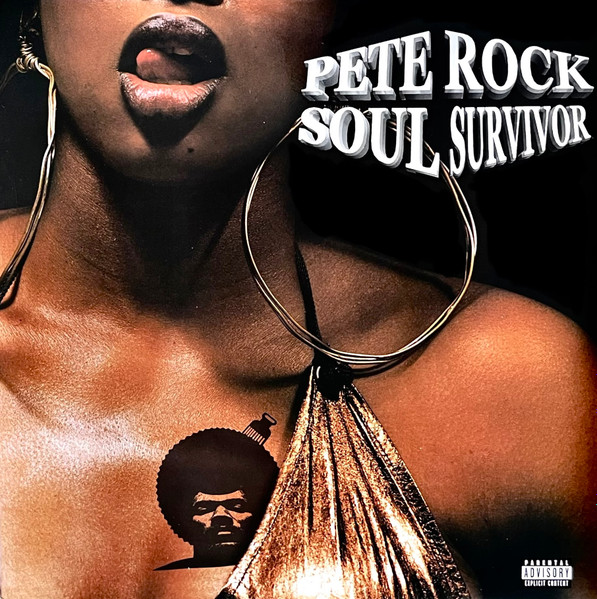
45. SOUL SURVIVOR – Pete Rock (1998)
Possibly the underrated album of the ’90s. Producer Pete Rock was never content with a cool sample, preferring the dismantling method, augmented with ethereal voices and scratched asides. After two albums with CL Smooth and key production and remix work, he was ready for his solo move. Soul Survivor is at once gritty and smooth, with some R&B and West Coast chill. Every track hits, each in different style, attuned to its guest. This album went to the miscellany section when it belonged in the mainstream.
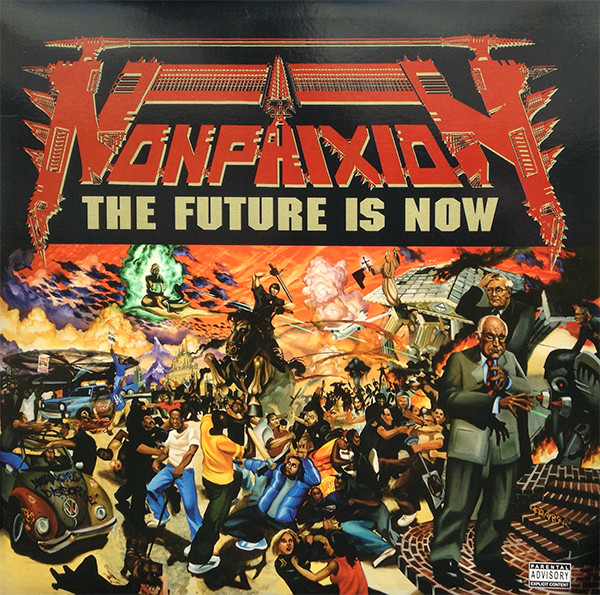
44. THE FUTURE IS NOW – Non-Phixion (2002)
These white guys were way more insane than the comparatively conservative Beastie Boys, trafficking in conspiracies that Alex Jones would take a pass on. Their super edgy provocation (“The CIA Is Trying To Kill Me,” early single “I Shot Reagan”) was matched by their celebration of drugs and depravity. They also worshipped at the altar of hip hop music, so The Future Is Now is one of the best produced albums of any era, laced by Pete Rock and DJ Premier and Necro. Key quote: “The Illuminati can suck my dick.”

43. COKE WAVE – Max B & French Montana (2009)
Max B’s crunchy flow and off key sung hooks seem amateurish at first, until it clicks and you get it. It’s a DIY style, sacrificing sheen for boozy immediacy, a late night afterparty vibe. On Coke Wave, Max B sounds like a dangerous pimp, French Montana his clumsy associate. It’s the most accessible entry point to his music, which has since been celebrated by Kanye, A$AP Rocky, Jay-Z, etc.

42. WRATH OF THE MATH – Jeru The Damaja (1996)
Jeru the Damaja processes his bitterness as moral authority. He’s a hater disguised as a conscious rapper. That’s an edge, if you pick your targets right. He does. Still this is DJ Premier’s show, a masterclass in oddball minimalism synthesized to street hop bangers. Of their two collab albums, this one is savvier, and more reactive (“Me Or The Papes”).
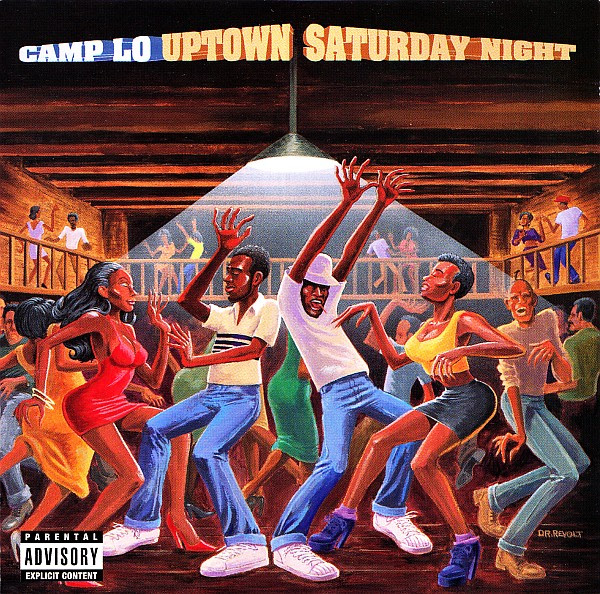
41. UPTOWN SATURDAY NIGHT – Camp Lo (1997)
Camp Lo had the hits (“Luchini AKA This Is It,” “Black Nostaljack AKA Come On”) to sell their debut album of flashy samples and cinematic crime stories. But rappers Sonny Cheeba and Geechi Suede were too flaky for the masses, rattling off poetic riddles only unlocked with an encyclopedic knowledge of blaxploitation films. Still Uptown Saturday Night is a vibe, dusting off the grime of the mid-’90s, celebrating the finer things, fictional or not.

40. PURPLE HAZE – Cam’ron (2004)
Compared to the ridiculously fun Dipset mixtapes, Purple Haze suffers from overcalculation and bloat. But it’s still essential. “Killa Cam” is so quotable that it birthed the Genius lyric annotation site, “Get Down” and “More Reasons” are slick talk autobiography, and “Get ‘Em Girls” is where his flow almost jumps the shark (“I get computers putin'”). How absurdly can he describe the color of his cars? How many times can he rhyme the same words with different meanings? The all-time king of swag rap.
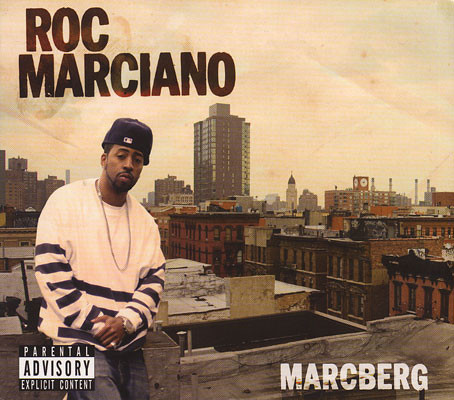
39. MARCBERG – Roc Marciano (2010)
Imagine Cuban Linx executive produced by MF DOOM, with the swagger of a cold blooded hustler – “I’m through being nice/ If we don’t see alike, you don’t see the light.” Over the years he got grittier (Reloaded) and trippier (The Elephant Man’s Bones), always building on the style established here, the key combination of ghostly samples (“Thug’s Prayer”) and casual bangers (“Pop”).
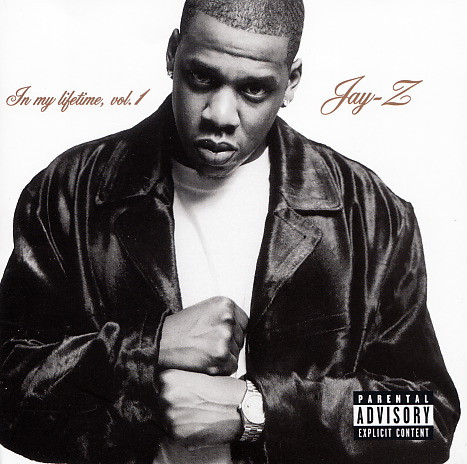
38. IN MY LIFETIME, VOL 1 – Jay-Z (1997)
This is not about a drug dealer transitioning to rap, but a rapper to superstar. Not so easy – this album is known for missteps like “Always Be My Sunshine” and the far worse “I Know What Girls Like,” which is so horrifically unlistenable that it might be a self-sabotaging troll on Diddy and Bad Boy. Notorious BIG’s death is the other shadow narrative, which to his credit Jay-Z doesn’t get mawkish about, rather pushing forward with his plan. The third verse of “Streets Is Watching” is his career best, detailing and finally rejecting the drug dealing life in his rearview.
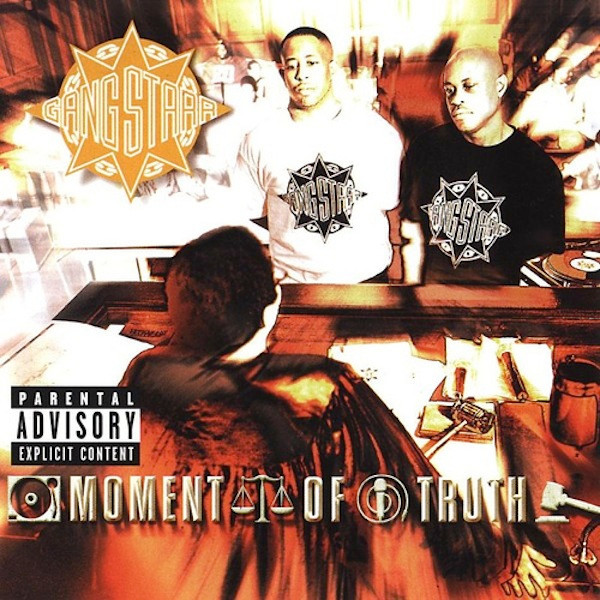
37. MOMENT OF TRUTH – Gang Starr (1998)
Guru says it himself in the intro: “We have certain certain formulas, but we update ’em.” My appreciation for said formulas is limited, thanks to Guru’s simplicity on the mic. I do feel bad for not liking him more. Still – Moment Of Truth exudes self-awareness, of his own insecurities and how pointless they are in terms of growth, maturity, and real life beyond rap music. It’s all about stepping up to face responsibilities, and consequences. While DJ Premier’s production hits another creative peak on which he’d coast for years.
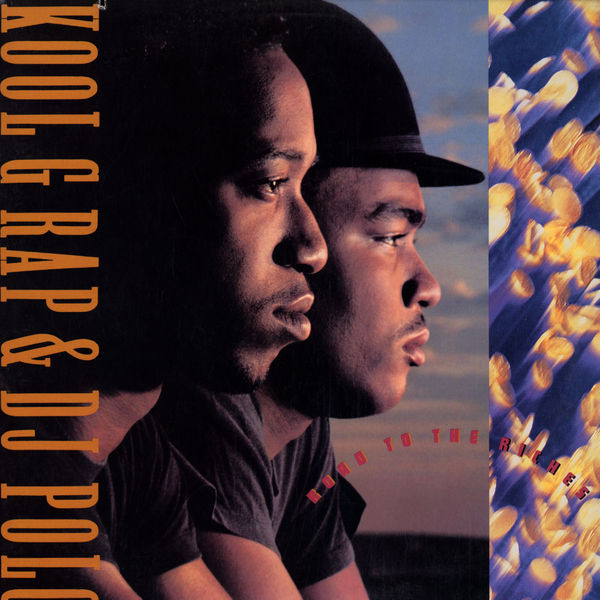
36. ROAD TO THE RICHES – Kool G Rap & DJ Polo (1989)
Hyperdetailed crime dramas and all the emotional turmoil therein, verses running on and never running out – this is the blueprint for the ’90s big dogs. The irony of Kool G Rap’s seemingly inimitable, densely packed flow is that aspiring rappers had no choice but to eclipse him. Producer Marley Marl gives him breakbeats, horns, saxes, Gary Numan, and Billy Joel’s piano to spazz on. “Road To The Riches” is Lefty‘s favorite song.
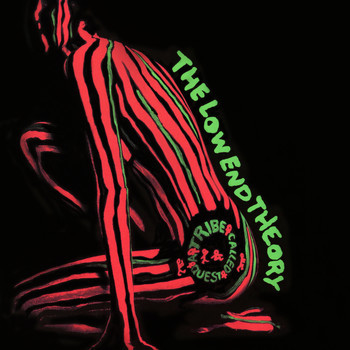
35. THE LOW END THEORY – A Tribe Called Quest (1991)
I don’t hold a grudge against this album because I was carjacked to it, which gifted the thief some cool getaway music. I just don’t see it as an elite classic. It’s undeniable at the start, with Q-Tip lecturing his pops on the cycles of life, followed by Phife bragging about his New Balance sneakers. But then it sort of meanders, or I do as a listener, which is to say that the carjacker was lucky it happened during “Excursions” and not the spotty second half. Of course Tribe were preternaturally dope, but I question this as their best album.
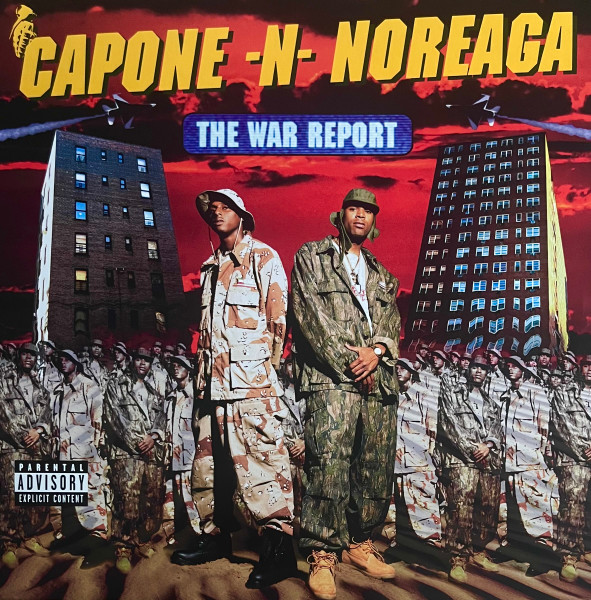
34. THE WAR REPORT – Capone-N-Noreaga (1997)
The War Report is really a celebration of the Queens rap scene. And they needed that help, with Capone locked up during some of the sessions and Nore being no virtuoso on the mic. So the producers gave CNN their best beats, the guest rappers their best verses. This material is so strong that it overshadows the East Coast vs West Coast shenanigans (“LA, LA”), as it should. Key beats from the Hitmen give us an idea of the mid-’90s Bad Boy sound without Diddy, i.e. way better.
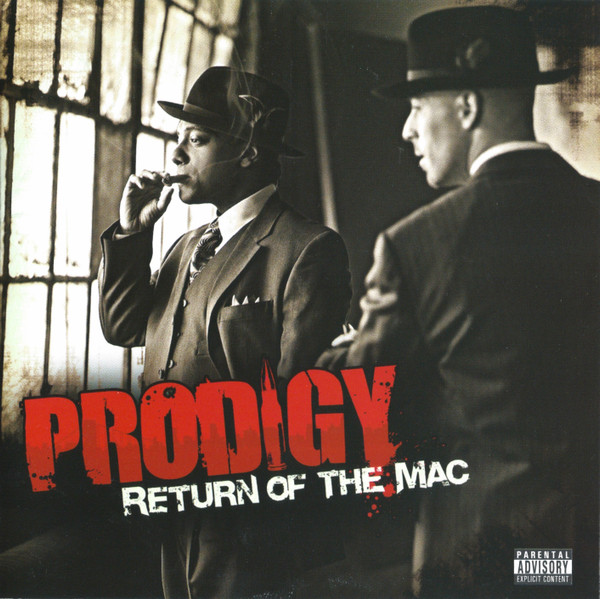
33. RETURN OF THE MAC – Prodigy (2007)
Alchemist dips into his blaxploitation bag to set the mood for low level crime stories, while Prodigy the true nihilist leans into his struggle for strength, more soldier than gangster. This album doesn’t care a whit for commercial appeal, but it’s super listenable thanks to its raw idiosyncrasies. In an era when New York rap stars were falling off or receding back to mixtapes for sustenance, Return Of The Mac set the tone for the next decade of under the radar albums that would blow up without going pop.
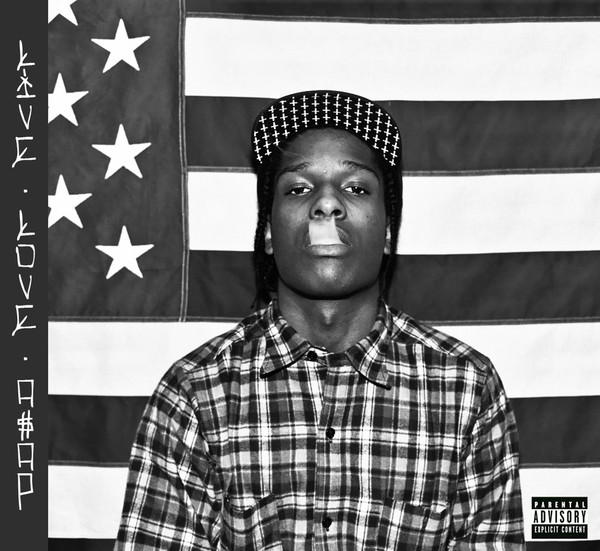
32. LIVE. LOVE. A$AP – A$AP Rocky (2011)
A$AP Rocky is skilled enough to spit good bars, and too musically savvy to let that be the focus. And that focus is not the Houston and cloud rap fixations, but the blunted vibe those styles serve. If he’s not rap’s Grateful Dead, he might be its Lee Perry. He broke bigger on Long. Live. A$AP, and followed that with 2015’s At. Long. Last. A$AP, the most psychedelic rap album since Edan’s Beauty And The Beat, and palpably drugged out mess of genius since Sly Stone’s There’s A Riot Goin’ On.
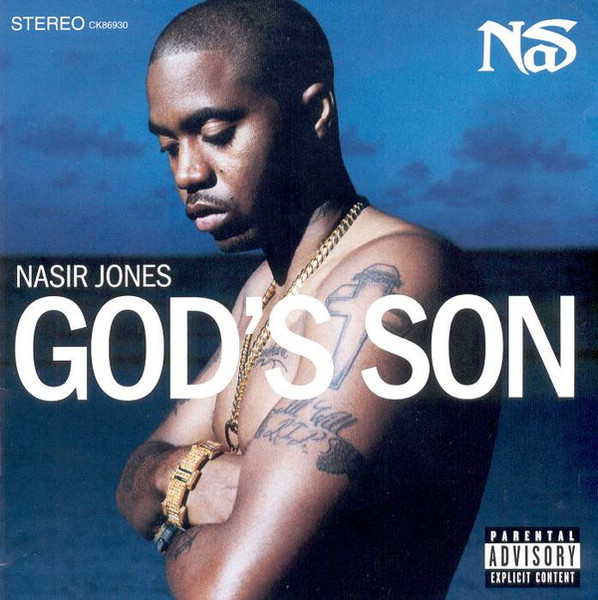
31. GOD’S SON – Nas (2002)
Nas accepts his spot as king, with more gloom than grace. He was at war with New York radio, and had just lost his mother. Rival Jay-Z subtitled his album The Gift & The Curse, but God’s Son reflects the same sentiment with more depth. They were smart dudes, guiding their beef to a safe landing with lives and egos intact. Still Nas was resentful at the spectacle, given what it did to his predecessors. “Yeah man, throwing them bones” is a chilling entendre, for what it suggests about rap, street gambling, and America.
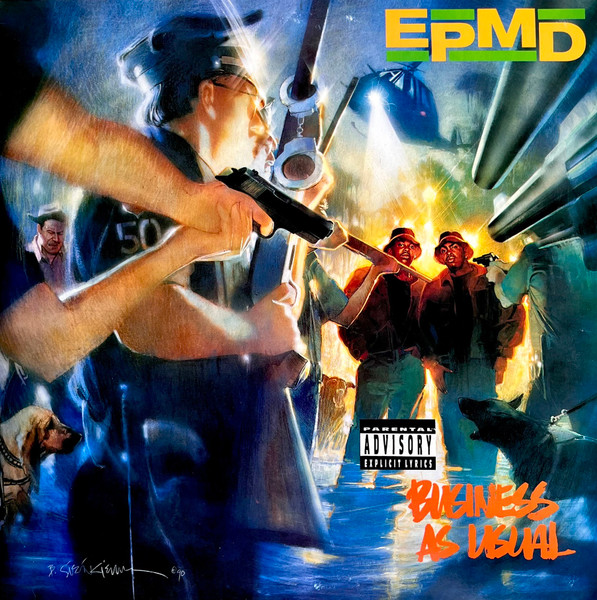
30. BUSINESS AS USUAL – EPMD (1990)
The music is tough, moreso than the musicians, and isn’t that the point? Somehow EPMD made the album I’d pop in after robbing a jewelry store. Nobody told Kanye they already made a song called “Gold Digger,” or more likely he just didn’t care. He definitely copped a few sampling tricks from Erick Sermon. These are sophisticated chops, layered in and dusted out, laying claim to the “Nautilus” loop, clowning the media who were saying “Rap Is Outta Control,” and setting the sonic blueprint for the ’90s.
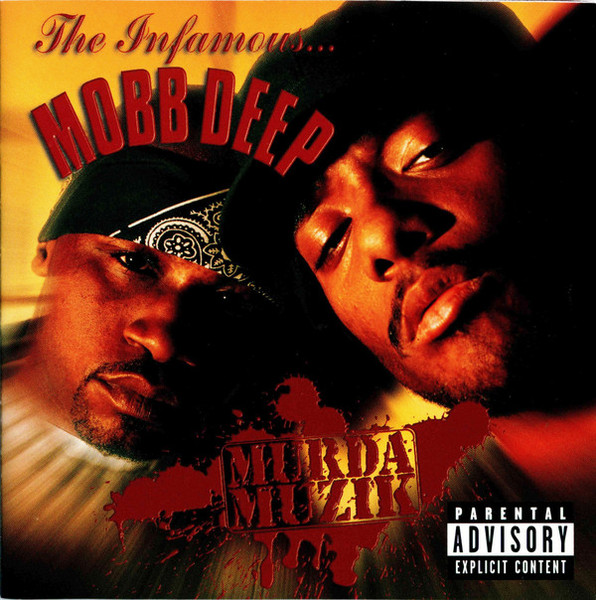
29. MURDA MUZIK – Mobb Deep (1999)
Only Mobb Deep could turn a song called “Spread Love” into a threat – “You should spread love not war/ Cause you won’t feel safe comin’ out your crib knowing that we got beef.” Prodigy specialized in deadpan humor (“Take my kids to Sesame Place, I’m bringing my heat”). Mobb Deep were quite the vibe, with all these casual threats over Havoc’s scratchy hypnotism hop beats. “Quiet Storm” went viral on New York radio, but “It’s Mine” was the hit, sampling the Scarface theme with Nas at his egotistical peak and a posthumous Tupac diss (“thug life is mine”) that serves as a proper tribute to the Makavelian show-no-respect spirit. Murda Muzik was a mainstream power move, and while I used to prefer the uncompromising Hell On Earth or the seminal classic The Infamous, I’ve since learned to see compromise as real courage.

28. IRONMAN – Ghostface Killah (1996)
Two Wu solo debuts – Method Man’s Tical and Ol’ Dirty Bastard’s Return To The 36 Chambers – are for blunted aficionados only. Ghostface’s Ironman is a different vision, with sharper darts and revitalized sonics. “260” tells the story of a stash house robbery attempt, while “Motherless Child” details a shakedown busted up by a Granny with a shotgun. Which you won’t notice at first, buried as these narratives are in abstruse references. You will notice RZA-and-the-affiliates’ most soulful production, and Ghostface’s range, from cold blooded to sentimentally reflective.
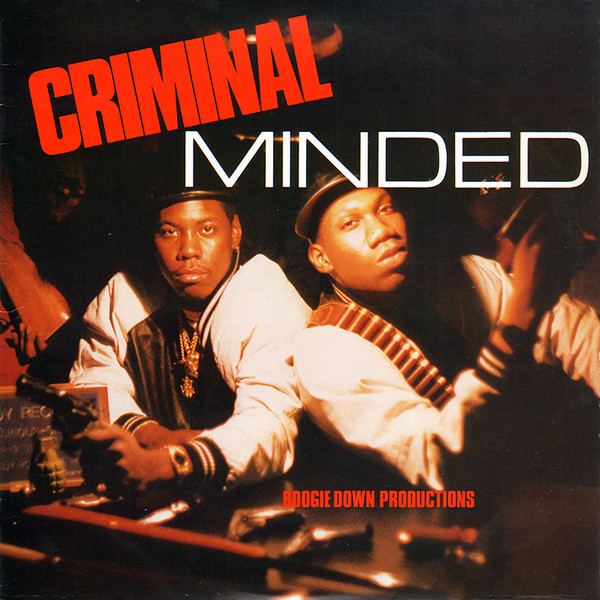
27. CRIMINAL MINDED – Boogie Down Productions (1987)
For sure Blastmaster KRS-One is an icon – just ask him, he’ll happily remind you. He’s like a rap game Neil Young, dropping albums with a certain invariability that still offer new tricks for his faithful. He’s live and direct, always. If Criminal Minded is not his best work it’s somehow still the most vital. “The Bridge Is Over” was the “Not Like Us” of its era, annihilating a rival crew and going viral ’80s style. Dig how it interpolates both Billy Joel and Barrington Levy, freely deviating from basic rhyme patterns in the name of destroying the Juice Crew. Or how “9mm Goes Bang” flexes over a Jamaican dancehall loop, or the drums on “Super Hoe” jacked by MF DOOM, or the overall attitude jacked by every rapper since.
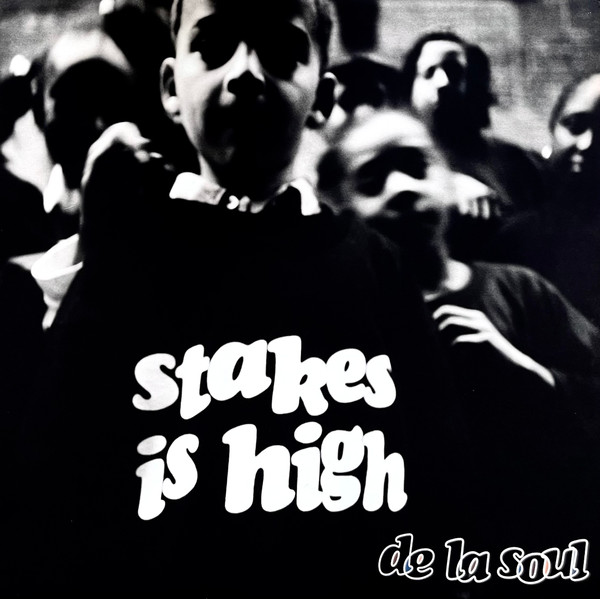
26. STAKES IS HIGH – De La Soul (1996)
It’s odd in hindsight to hear rappers complaining in ’96, arguably the peak year. But De La had a fair gripe. The big names were trading in big numbers, but they weren’t telling the whole story. While the De La-style was being bullied out, not just by the rappers but corporations greedy for more gangstas. All of which is immaterial to the fact that Stakes Is High is so richly executed. “Itsoweezee” builds a hooky classic on two keyboard stabs, wearing its Wu-Tang diss on the CD single cover. “Dog Eat Dog” and “Betta Listen” explore grown up relationship troubles. The title track gives J Dilla his first star turn. What does it mean? Stakes Is High in life for everyone, always, so don’t gamble it away, or waste any turns.
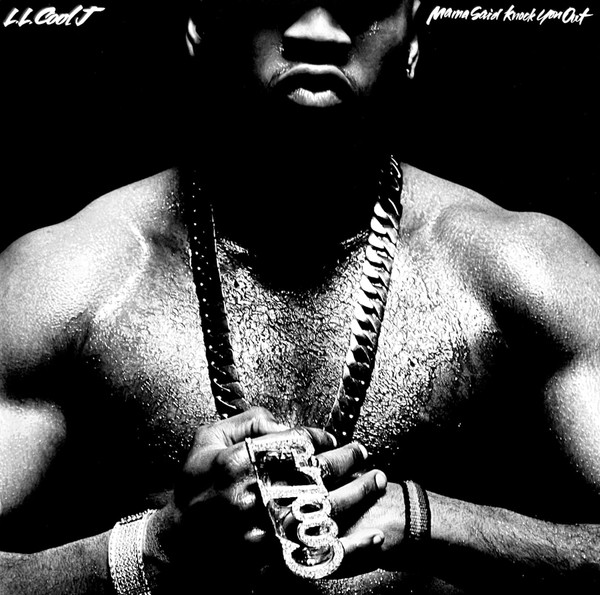
25. MAMA SAID KNOCK YOU OUT – LL Cool J (1990)
Even the self-professed most important rapper of all time has to share the stage with producer Marley Marl. LL got laced here with an A plus stash, which he needed at a career crossroads – was he a real rapper or just the pop version? Mama Said crushed the question, with breakbeat flows (“Mr Good Bar”) and pop hits (“Around The Way Girl”) as a singular sound. LL can be accidentally funny (“You would think I was good friend of Al Capone/ Crazy air freshener, who needs cologne?”), capable of knockout disses on Kool Moe Dee, MC Hammer, and Ice-T. This album exists as a perpetual resurrector of his rep, which he keeps degrading with corny R&B or cringe rock collabs. Even compared to his earlier Def Jam albums, it’s unfathomable how dope this is. Take another bow, Marley Marl.
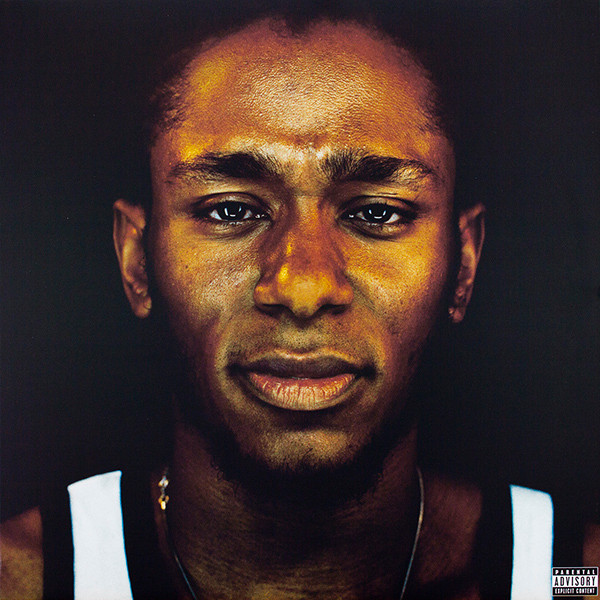
24. BLACK ON BOTH SIDES – Mos Def (1999)
Mos Def never coasted on his skillset. Black On Both Sides could have been a “classic” of backpacker bangers, but is instead an adventurous trip through psychedelic soul, intoned chants and curious flows like a cat inspecting a new house. He’s a true eccentric, leaning in to goofy apocalyptica on “New World Water” and the not-as-kooky your-life-is-just-a-number “Mathematics” diatribe. It does get a little sprawling, but cut a few tracks and it’s every bit the classic its reputation would suggest.
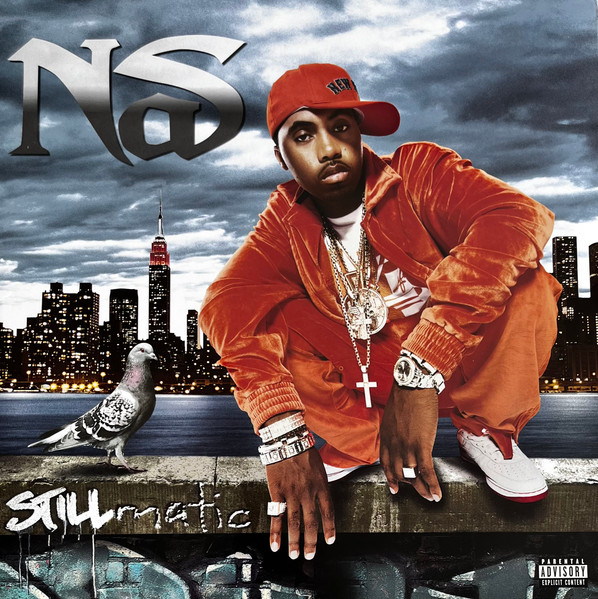
23. STILLMATIC – Nas (2001)
“Always forward never backward, stupid” was a cope, because his music had mostly gone sideways. Dig deep in his pre-Stillmatic era and you’ll find some of his best work, but also stuff like the obnoxious “Oochie Wally.” Which was called out by Jay-Z, which led to “Ether” and Stillmatic. True to his word Nas has never tried to make another Illmatic. But he’s refocused here for sure, thanks to the beef, and beats from Large Professor and DJ Premier, for “You’re Da Man”‘s stoney meditations and “2nd Childhood”‘s life coach interventions. Stillmatic is still aptly named, as the second most important album in his career.
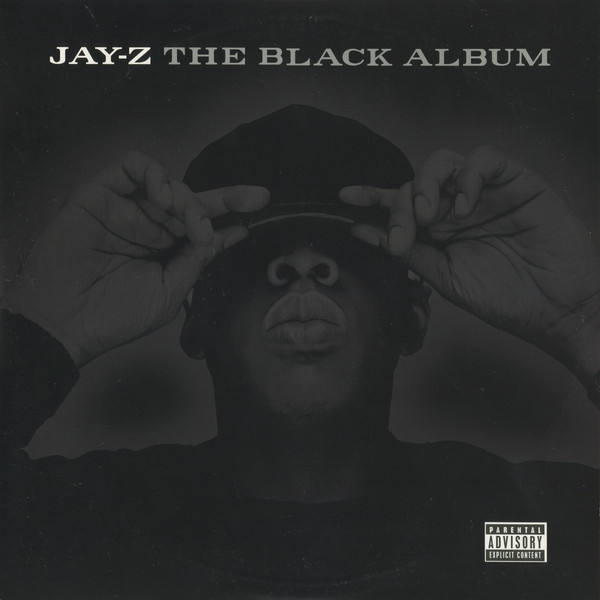
22. THE BLACK ALBUM – Jay-Z (2003)
The flows are the hooks, outshining the all star producers, and outlasting them too, given how the acapellas spurred a remix craze and by extension Danger Mouse’s career. The Black Album as a Big Event is baked in to its energy, so you can relive it every listen. Funny how “What More Can I Say?” shows no evidence of writer’s block, but rather an inspirational peak. Or how “Threat” bobs and weaves away from actual threats into pure wordplay. Or how “Allure” is a love song to his muses – hustling and flossing – all the better on Just Blaze’s remix.

21. MIDNIGHT MARAUDERS – A Tribe Called Quest (1993)
Never were Tribe so accessible, so undeniable as a synthesis of bohemian ideals and pop instincts. Consider the troubles groups of their ilk had adjusting to the gangsta-fied ’90s, and how effortlessly Midnight Marauders carved out its own place, regardless to whom or what. The production doesn’t just elevate readymade grooves but transforms odd riffs into proper songs. While the lyrics are like a casual conversation that sticks, so forming a deeper connection.
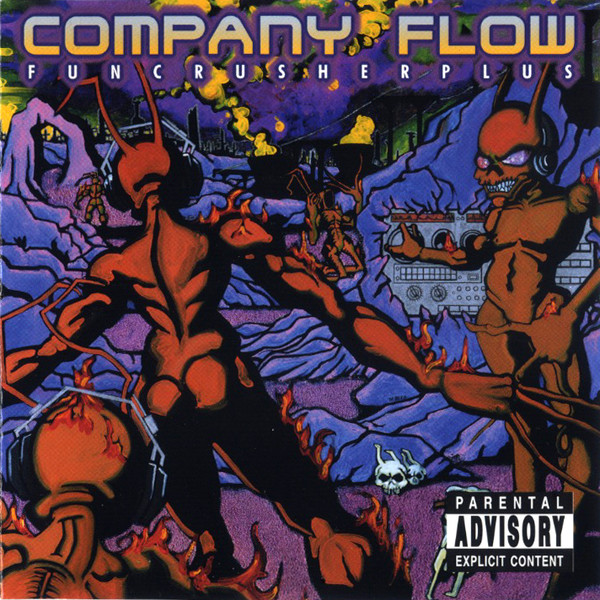
20. FUNCRUSHER PLUS – Company Flow (1997)
Dusted out, arty boom bap that’s second only to Illmatic as a boombox classic. Even with earbuds and Spotify, you’ll get the vibe. El-P’s production is eerie and rugged, like Criminal Minded jacked up by Hard To Earn, culling samples from forgotten corners. While producers were scraping the bottom of the Funkadelic barrel, he flipped a bit from a Hobbit cartoon into an anti-corporate tirade (“Population Control”), and skipped nine minutes of Smokey Robinson’s eminently sampleable “Theme From Big Time” to loop the last guitar squibble for “8 Steps To Perfection.” Funcrusher Plus is sort of like Gravity’s Rainbow, only intelligible if you meet it on its own terms. Even then, good luck making sense of Big Jus’s graffiti name drop flow on “Lune TNS.”
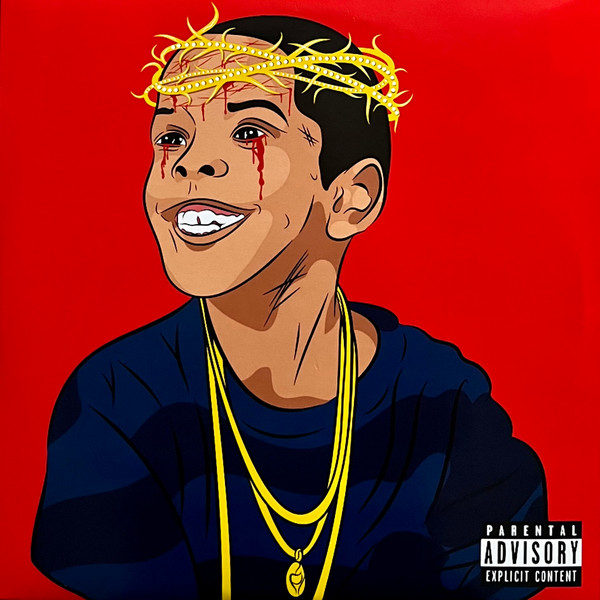
19. FLYGOD – Westside Gunn (2016)
Westside Gunn’s prodigious output has hit some higher peaks (the pristine Pray For Paris, the all-star victory lap 10 on which the vets paid him homage) but FLYGOD is a true New York classic album, maybe the last of its kind. No matter that he’s from Buffalo – this one climbs up on the shoulders of his heroes for a new view, like they did before him. And what does he do better than them? It’s all about his ear for vibey sonics, and a magnetic flow that takes its abstractness as a given.
18. DIPLOMATIC IMMUNITY – The Diplomats (2003)
Everybody here is riffing on Killa Cam’s flow, from Juelz Santana’s young spitter version to Jim Jones’s grumpy OG to JR Rider’s pure facsimile. It’s like a coach who finds the right offense, and a team chemistry that overcomes their limitations. They carry it all with goofy machismo, so they’re infinitely meme-able, eg. the counting money Rap City clip. Diplomatic Immunity‘s glitzy and sometimes absurd beats (like Just Blaze flipping a Jefferson Starship stinker into a crack anthem on “We Built This City“) suits their energy. Juelz’s ad libbed aside “We do talk about some bullshit sometimes” is an understatement.
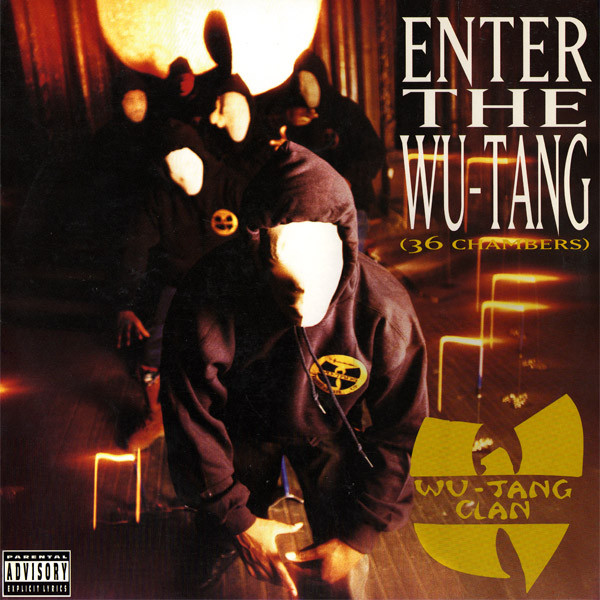
17. ENTER THE WU-TANG (36 CHAMBERS) – Wu-Tang Clan (1993)
Even as a Wu head, I’ll take Killarmy or Killah Priest or even Sunz Of Man over this well lauded debut. To me it always sounded like Black Moon gone bananas, rather than the wholly unique vibe they’d soon settle on. RZA’s dusted out production genius is evident, but who can say Method Man and Ghostface didn’t evolve way beyond their styles here? Not a criticism, just an observation, and an explanation for why I count Dirty Weaponry or Fishscale or The Pick, The Sickle, and The Shovel or etc as more personally classic than this.

16. IT TAKES A NATION OF MILLIONS TO HOLD US BACK – Public Enemy (1988)
On “Night Of The Living Baseheads,” Chuck D flips “Just Say No” as a revolutionary necessity, if black America was to counter the Reagan era. He doesn’t claim to be a criminal even for “Black Steel In The Hour Of Chaos”‘s jailbreak drama, rather a draft dodger. And the production is just different, like how “Louder Than A Bomb” samples two live cuts (from Kool & The Gang and Mountain at Woodstock ’69) for a crowd scream hook, or how the whole album employs speech snippets from Malcolm X and Jesse Jackson to position PE as the new vanguard. As a good student, and teacher, and true ascetic Chuck D was well armed for all the consequences.
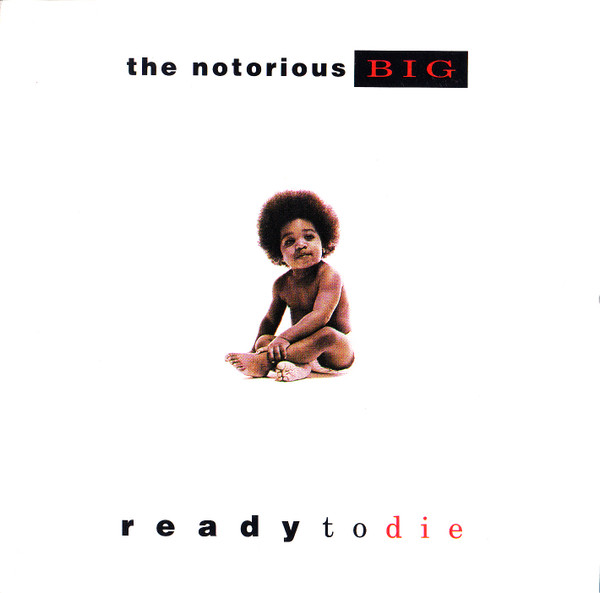
15. READY TO DIE – Notorious BIG (1994)
At some point you realize how different he was, beyond punchlines and verses, more like Jerry Garcia tapping in on a solo. Or better yet Jimi Hendrix, since Biggie’s brash originality has been similarly diluted as it’s become canonical. He snatched gangsta rap from the industry pros, injecting it with veritable darkness and desperation, and consequence. And he did it with a natural charisma and heart, not found in the menace of say the Geto Boys. “Gimme The Loot”‘s robbery planning dialogue betrays zero morality but still makes you smile. He had no filter, which itself is nothing special in rap music or social media engagements or even politics, but he also had the rare ability to charm his way out of his own traps. So you might realize too, that when he was in his zone, he was the best pure rapper ever.

14. IT WAS WRITTEN – Nas (1996)
The imagery stands out as invocations of mood. It’s so potent that it pissed people off – Tupac went ballistic when he thought “The Message” was stealing his own life story, not realizing that it was Nas’s narrative gifts that gave him that impression. It Was Written is still misunderstood. Nas is still a storyteller, an observer rather than a mafioso cosplayer. Listen close to “Suspect” with its threatening chorus – he is the innocent witness being threatened. He also imagines himself as a gun, and a drug kingpin, and it’s all compelling, except for a mystifyingly dull Dr Dre collab.

13. THE BLUEPRINT – Jay-Z (2001)
The beats did it, thanks to the top shelf stash of Kanye West, Just Blaze, and Bink. So undeniably that it shifted the game with a home run, even if Supreme Clientele was already on base. “Takeover” tried to end Mobb Deep’s career, and kinda did, for how it got in their heads and blinded their focus. (As for its other target, Nas – not so much.) So the lyrics did it too, with a subtle shift from flows to songwriting. Jay-Z gives himself over to the beats, which inform the songs. Which might explain how Eminem outrapped him on “Renegade,” an opinion that’s now canon because Nas pointed it out. Meanwhile “Blueprint (Momma Loves Me)” doesn’t care who’s hot or who’s not, as Jay-Z just raps self-confessionally, like a diary.
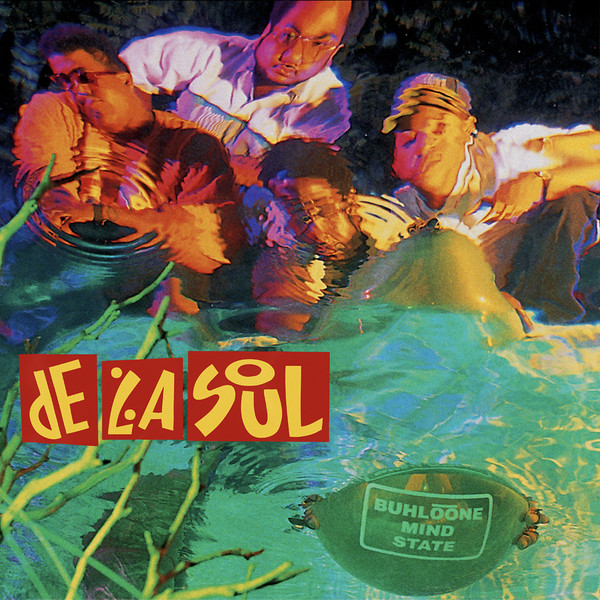
12. BUHLOONE MINDSTATE – De La Soul (1993)
Over spaced out jazz, the cryptic flows anticipate a commercial flop. Not that they weren’t trying to sell records, or that they didn’t secretly suspect this album’s dopeness would override its inscrutability, but flop it did. But dope it is too, ridiculously so, as producer Prince Paul reins in his flakier tendencies to focus on grooves. Posdnuos and Trugoy play off the beats, satirizing hip hop braggadocio on “Ego Trippin’ (Part Two)” and neighborhood shoutouts on “Area” and their record label Tommy Boy on “Patti Dooke” and themselves on “En Focus” and so on.
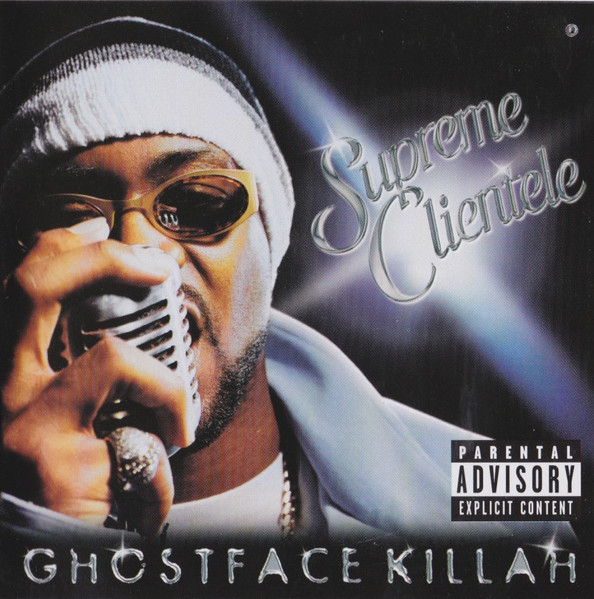
11. SUPREME CLIENTELE – Ghostface Killah (1999)
The sound was often cited and musically referenced by Kanye as his creative root, but it’s all about Ghostface’s abstract flow, which seems therapeutic, a dissociative means of processing troubles hinted at in “Saturday Nite” and “Apollo Kids.” Higher energy production was required to meet his inspiration, so this is all sped up samples and breakbeat tempos. It’s not an update on the Wu-Tang sound so much as Ghostface staking out his own. These aren’t rhymes or bars but puddles of imagery to stomp around in – I used to think he was saying “points for the biggest beer” but apparently it’s “porridge for the biggest bear.” Stuff like that is all over this album, so you could know it wrong and it doesn’t matter. Supreme Clientele is like Finnegans Wake, consumed with its own absurdity and genius.
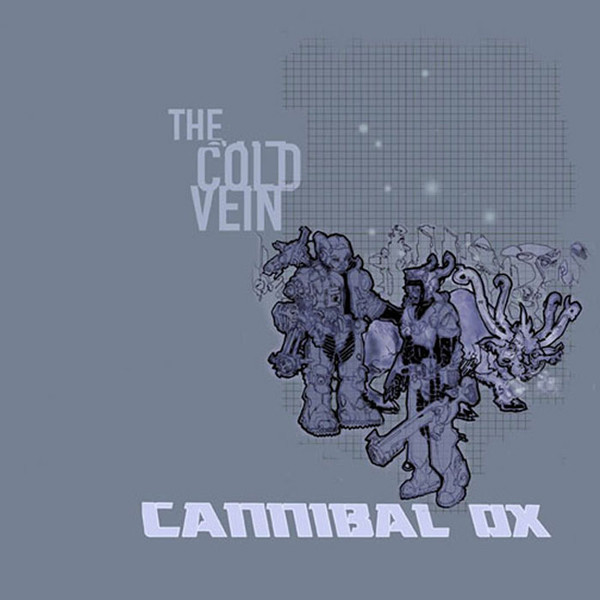
10. THE COLD VEIN – Cannibal Ox (2001)
Even the instrumental version is a classic, the peak of El-P’s production style that buries obscure samples with more obscurities while retaining dusted boom bap roots. Still you can’t hear “Iron Galaxy” without Vordul Mega’s opening verse: “Life’s ill/ Sometimes life might kill.” He traffics in dense free association, while Vast Aire provides the brash wit and memorable attitude (“Give me two good reasons so I don’t smack you/ For flashing a gun in my face just to get respect”). It adds up to a remarkable listen, all the more for how it’s endured. For example – in the late ’90s there was Latyrx, an indie supergroup of two Bay Area lyricists and a hot producer (DJ Shadow), or Dan the Automator’s work with Kool Keith. Which respectfully don’t have the power of The Cold Vein to speak to life, beyond music fanaticism to responsibilities. The Cold Vein is a one of one, a redefinition that could never be repeated. The most definitive winter album since A Charlie Brown Christmas.
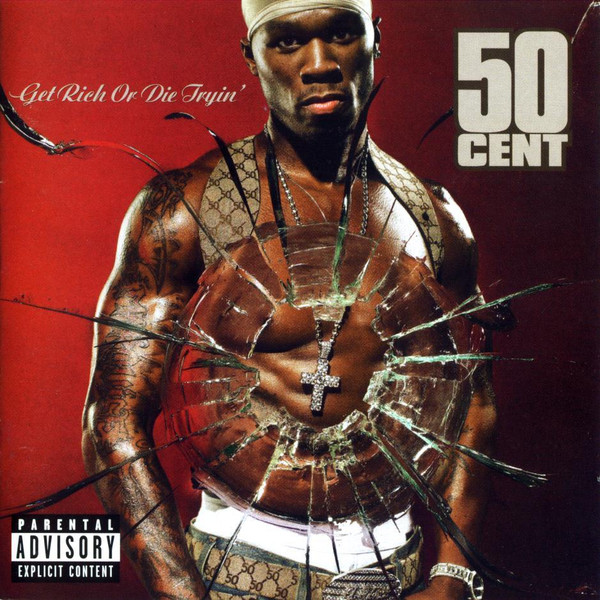
9. GET RICH OR DIE TRYIN’ – 50 Cent (2003)
Funny how the only uncredible part of 50 Cent’s persona is the weed smoking, like how “High All The Time” still preoccupies itself with threatening ambition. This album was crafted to be a smash hit, to capitalize on his mixtape buzz. As ever he’s a fearless shit talker, and great songwriter. What else are “Heat,” “Backdown” and “In Da Club” but great songs? The shit talking helps, because 50 Cent has his limitations. Credibility aside, he’s no gangsta Superman, nor is that the message we should reasonably expect from our elite level albums. Call him a life coach, with a bitter sense of humor and a gift for pop hooks. And except for Get Rich, he put all his best material on mixtapes, for free.

8. OPERATION: DOOMSDAY – MF DOOM (1999)
MF DOOM reinvents himself by disassociation, hiding his face behind a mask and his pain behind comic book fantasies. Operation: Doomsday thumbs its metal nose at grief, too high on its own creative energy to care. It has a bit of the druggy, introverted vibe of Ween’s The Pod, with ersatz samples as if from a Rhythm Roulette haul. “Tick, Tick…” chops the Beatles’ “Glass Onion” outro without a care for tempo, “Hey!” uses the Scooby-Doo theme. He subtly carries on the quirky tradition of bygone eras, subtly because his style is so fresh and singularly inventive.

7. LIQUID SWORDS – GZA (1995)
The palpable chemistry is like a meeting of two jazz maestros, but no jazzy loops on here, rather soul chops buried under layers of ice, a template that’d be vaguely sci-fi if not for GZA’s grounded poetry. It’s just great – the Wu-Tang cult classic. GZA’s measured tone sketches out suggestive details in his crime stories (“…tried to smuggle half-a-key in his left leg/ Even underwent surgery/ They say his pirate limp gave him away”), when he’s not doing his bragging rapper slash Stephen Hawking bit, or being perfectly direct (“Lyrics are weak like clock radio speakers”). Some iconic feature verses help, like Method Man on “Shadowboxin'” or Killah Priest and Ghostface on “4th Chamber.” Liquid Swords feels like an expression of the Wu braintrust, all business, and always timelessly dope.
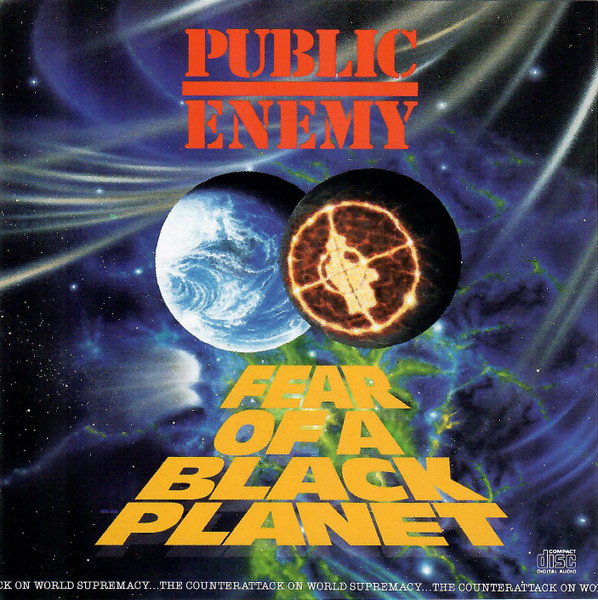
6. FEAR OF A BLACK PLANET – Public Enemy (1990)
Besieged by controversy, Public Enemy live up to their own hype by punching back, hard. Chuck D kicked out non-musical member Professor Griff for his flagrantly foul comments, but otherwise wasn’t offering any contrition. He was too smart, too soberly aware of sabotage tricks (re: COINTELPRO) to allow for miscalculation. So Fear Of A Black Planet is scattered and volatile, but super focused. The Bomb Squad cook up a busy framework of cut-up style beats, over which Chuck varies his style and substance. The title track and “Polywanacracka” preach the good merits of interracial relationships, “Who Stole The Soul?” and “Burn Hollywood Burn” attack appropriation and denigration, “Revolutionary Generation” makes a case against misogyny, “Brothers Gonna Work It Out” and “Fight The Power” for freedom by any means. Chuck D’s concurrent guest spot on Sonic Youth’s “Kool Thing” (itself a diss of sorts by Kim Gordon to LL Cool J) spoke to Public Enemy’s influence on New York culture. Fear Of A Black Planet is their best, most expansive and incendiary album.
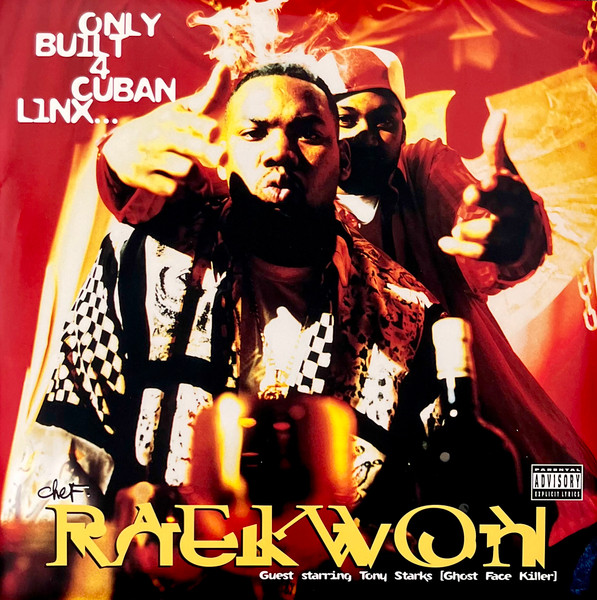
5. ONLY BUILT FOR CUBAN LINX – Raekwon (1995)
All about how drug dealing commandments were made to be broken, and in the end you can only trust a chosen few. I dig the cultural appropriation, stealing adjacent swag from mafioso guys. The Italian coke dealer who gets hit in “Knowledge God” is a Wu-Tang fan. And why is there a random shot at Ray Catena, the New Jersey Mercedes scion? Because Raekwon and his crew are building, colliding, robbing and stealing, and snorting up the head stash. RZA’s production is less dusty but just as blunted, bringing irregular sample chops to the fore. The group tracks (“Ice Cream,” “Guillotine (Swordz),” the definitive “Can It Be So Simple (Remix)”) could have anchored their second album, but such was their surfeit of material, and rule-breaking approach.

4. LIFE AFTER DEATH – Notorious BIG (1997)
The darkest mainstream rap album ever, staring down its own fatalism, putting an exclamation point on the tragedy of this young man’s short life with its last three songs (“My Downfall,” “Long Kiss Goodnight,” and “You’re Nobody (Til Somebody Kills You)”) that serve as a self-eulogy and an elevation of his art. Life After Death is the late night meditations of a Boss, beset by pressures and beefs. The intro to “Kick In The Door” suggests multiple targets (“This goes out to you, and you, and you”) but that could also be a way of emphasizing the threat against one individual. LL already made a song called “Going Back To Cali,” but not like this – an eerily undaunted bit of posturing at the height of East vs West tensions. Packed with hits, Life After Death leaves you with a heartbreaking question, of whether this evolution was Biggie’s peak, or just the next step to bigger things.

3. REASONABLE DOUBT – Jay-Z (1996)
Reflective essays from a semi-retired drug dealer, it’s compelling because it’s credible, because he’s credible as an elite level shit talker. In any profession, sharp ambition and an ice cold wit go a long way. Reasonable Doubt treats gangsta tropes as givens, too uncouth for a don. It’s not a celebration of things, but of calculations, unlocking puzzles of wealth acquisition, legal or not. Even if that’s all just an illusion – because it’s still just music, exquisite beats and flows that take Big Daddy Kane braggadocio (“It’s a shame that you’re not though/ Who? Me”) to the VIP players club (“I’m takin’ wages down to Vegas in case Tyson have a major night off/ That’s clean money, the tax write off”). There’s a moral compass here too, never taking the easy route but rather navigating the thicket of crime and money, and coming off as clean as might reasonably be expected.

2. ILLMATIC – Nas (1994)
Not a wasted second, not even the intro with the train clanking and boombox Wild Style beat, over which he’s probably rapped for hours, in training, but it’s not time yet. Only when he gets the cue from DJ Premier’s beat (“It’s time”) does the album start, and from there it’s all acceleration. Illmatic is coherent and economical, no mean feat given all the ideas packed in the lyrics. “Sippin’ Dom P, watching Gandhi ’til I’m charged” – this young man with radical awareness of systemic injustice is just as happy to hit the blunt on a street corner. He watches Scarface too, inspired by the blimp scene for “The World Is Yours,” though the song speaks more to stoic philosophy than materialistic ambition. Like how “Memory Lane” is not sentimental, rather grounded in treacherous reality. You can listen close or just let Illmatic ride out, and see what phrases find you. “These are poems circulating the nation,” said KRS-One of himself (of course), but it’s most apt for Illmatic. Nas arguably got better from here, but never was the vision more fiery focused, and effective.
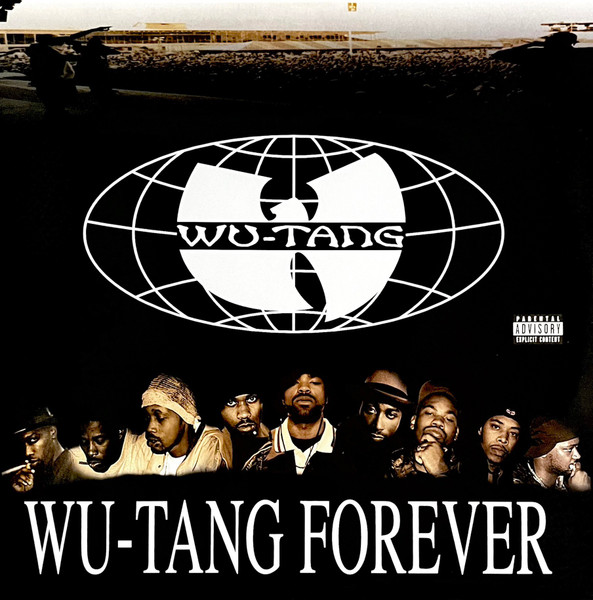
1. WU-TANG FOREVER – Wu-Tang Clan (1997)
Success went to their heads, and their music got headier. Wu-Tang Forever suggests itself a new religion, L Ron Hubbard style. So it’s two discs of ruminative bangers, with each member stepping up to share like a group meeting of aspiring gods. RZA mostly recedes from his role as visionary leader to hang in the toxic wing with Cappadonna and ODB, still indelibly stamping his production with weirder-than-ever turns, like the vari-sped “For Heaven’s Sake,” and Miri Ben-Ari’s spazz out violin solo on “Reunited,” and the wacky marching band tempo of “The Projects.” Nothing throws the rappers, given Method Man’s evolution from party guy to philosopher, Raekwon’s abstract posturing, Ghostface’s thoroughly expressive venting, and so on. Digging Wu-Tang Forever is about more than just buying the t-shirt, but buying into the cult at its egocentric peak. We’re advised to skip summer school and watch for a Wu-Tang comet, which might be a joke, but it doesn’t matter because there’s nowhere to go from here, the greatest rap album ever made.
 Shakedown Sheet